“Play is the highest form of research.”
– Albert Einstein
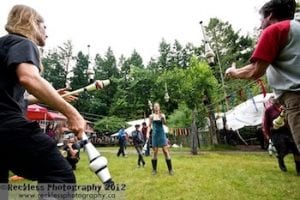
Circus arts bring together movement, play, creativity and skill-building in a way that can feel very different from traditional fitness. Depending on the activity, circus can include juggling, poi, hula hooping, balance, acrobatics, object manipulation, partner work and performance-based movement.
What I love most about circus arts is that there are many different ways to participate. You do not need to be an acrobat or performer to benefit from learning a new skill.
Circus Arts as Movement and Play
Circus arts can challenge coordination, balance, timing, spatial awareness and concentration.
Because many circus skills are learned gradually, they also encourage patience and repetition. You try something, adjust, try again and eventually notice progress.
That process can be satisfying because the skill itself becomes the goal.
A Different Way to Be Active
Circus arts can be a useful form of physical activity because the movement is built into the play.
Juggling, hooping, balancing or learning poi may involve repeated movement without feeling like a conventional workout.
For some people, this makes movement more engaging and easier to stick with.
Coordination and Motor Skills
Many circus activities require the eyes, hands and body to work together.
Juggling, for example, asks you to track moving objects while timing your hands and adjusting your body position.
Other activities may challenge balance, rhythm, reaction time or bilateral coordination.
These skills can be practiced at many levels, from very simple beginner exercises to more complex combinations.
Focus and Attention
Circus skills require concentration because you have to pay attention to what is happening in real time.
If your attention drifts, the object usually drops.
That does not mean circus is automatically meditation, but it can create a strong sense of presence because the task requires immediate feedback and adjustment.
Creativity and Self-Expression
Circus is not only about learning techniques.
Once you understand the basic skill, you can begin combining movements, changing rhythm, creating patterns and developing your own style.
That creative side is one of the reasons circus can appeal to people who may not enjoy traditional sports or gym-based exercise.
Cooperation Instead of Competition
Circus can also create opportunities for collaboration.
Partner activities, group games and small performances can encourage communication, cooperation and shared problem-solving.
The goal does not always have to be winning. Sometimes the challenge is simply figuring something out together.
Building Confidence Through Skill Development
Learning a new circus skill can be frustrating at first.
Dropping a juggling ball or losing balance is part of the process.
Over time, small improvements can build confidence because progress is visible and earned through practice.
That confidence does not need to come from being the best. It can come from realizing that you can learn something that initially felt difficult.
Circus Arts for Children and Adults
Circus activities can be adapted for many ages and experience levels.
Children may enjoy games, object manipulation, balancing and creative movement. Adults may use the same skills for coordination, play, fitness or simply learning something new.
The activity should always match the person’s ability, environment and level of supervision.
Safe Risk-Taking
Some circus activities involve balance, speed or unfamiliar movement.
That makes progression important.
Start with lower-risk skills and build gradually. Use appropriate equipment, enough space and qualified instruction for activities that involve greater height, impact or complexity.
Safe risk-taking means creating challenges that feel exciting without being reckless.
Why Play Matters
Adults often think of play as something only children need.
But playful movement can make exercise more enjoyable and create space for curiosity and experimentation.
You do not need to turn every activity into a workout.
Sometimes moving because it is fun is enough.
Learn to Lead Circus Arts
If you enjoy working with children, schools, community groups or recreational programs, you may be interested in the Circus Arts Leader Certification.
The program focuses on accessible circus skills such as juggling, poi, hula hooping, games and lesson ideas that can be adapted for different groups.
You can also explore my current Circus Arts services in Nanaimo for more about my background in circus-based movement.